Effective Attic Mold Remediation: A Practical Guide for Homeowners
Understanding the Risks of Attic Mold
Attics are one of the most vulnerable areas in a home when it comes to moisture and mold growth. Poor ventilation, hidden roof leaks, and temperature swings create the perfect environment for spores to settle and spread. If you have noticed a musty smell upstairs or dark spots on your attic insulation, you are likely dealing with an active mold problem. Left unchecked, attic mold can damage structural wood, compromise insulation value, and affect indoor air quality throughout your home.
Mold in the attic is not always visible at first. It can grow behind stored boxes, under roof sheathing, or on the underside of decking. The key is catching it early and taking the right steps. That is where attic mold remediation comes in. This is not just about cleaning a stain. It is about identifying the moisture source, containing the spores, and restoring a healthy environment. Based on my years in the field, I can tell you that rushing the job or skipping safety steps usually leads to a bigger problem down the road.
Before you start any work, understand that attic mold remediation requires a careful approach. You need to protect yourself, contain the area, and address the root cause of moisture. Otherwise, the mold will return. Let me walk you through what works and what does not.
First Steps: Safety and Containment
Your health comes first. Mold spores can irritate the respiratory system, especially if you have allergies or asthma. The EPA recommends wearing an N90 respirator at minimum when working in moldy spaces. Do not rely on a dust mask. An N90 respirator fits snugly and filters out airborne spores. You should also wear gloves and eye protection. OSHA guidelines for mold remediation stress the importance of personal protective equipment, even for small jobs.
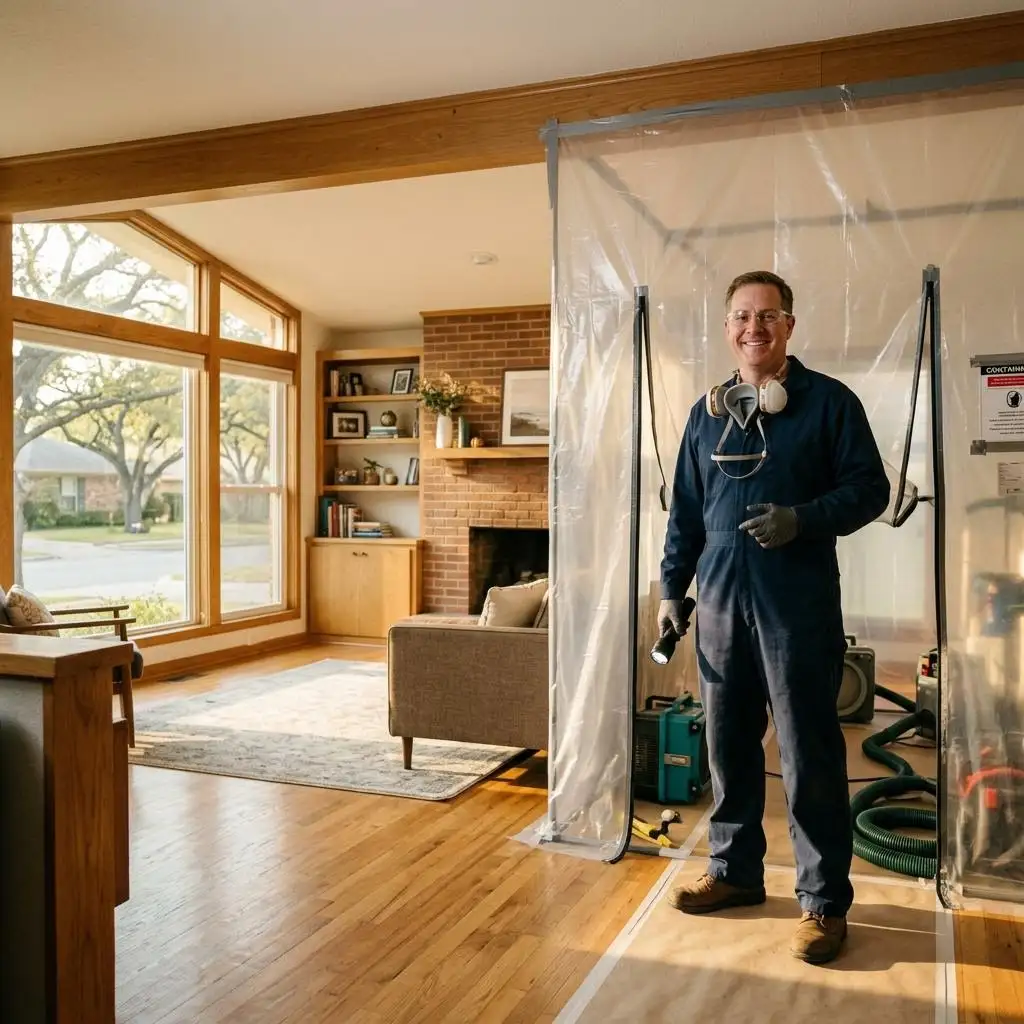
Containment is the next critical step. Mold spores travel easily through the air. If you start scraping or vacuuming without sealing off the attic, you could spread spores to the living areas below. Set up a containment barrier around the attic hatch using heavy-duty plastic sheeting and tape. Create negative air pressure inside the containment zone by running an air scrubber with a HEPA filter. An air scrubber pulls air through a high-efficiency filter and exhausts it outside, which keeps spores from drifting into the rest of the house. If you do not have an air scrubber, you can use a window fan to exhaust air out, but make sure the fan is sealed into the window opening.
Finding the Moisture Source
Mold needs moisture to live. If you do not stop the water, the mold will come back no matter how well you clean. Common attic moisture sources include:
- Roof leaks from damaged shingles, flashing, or chimney boots
- Ice dams that push water under shingles during winter
- Bathroom or kitchen exhaust fans that vent into the attic instead of outside
- Poorly sealed soffit vents or ridge vents that allow rain or humid air inside
- Condensation on cold surfaces like air conditioning ducts or metal roof panels
In Fort Worth, the hot and humid summers can also cause condensation in attics, especially when air conditioning ducts run through unconditioned spaces. The Texas Department of State Health Services has noted that mold problems spike after heavy rain seasons. Check for water stains, damp insulation, and rusted nails. If you find a roof leak, patch it before you begin the cleanup. If the issue is condensation, you may need to add insulation around ducts or improve attic ventilation by installing a ridge vent or adding soffit vents.
Choosing the Right Cleaning Products
Not all mold cleaners are created equal. Bleach is a common household choice, but I rarely recommend it for porous surfaces like wood or attic insulation. Bleach is mostly water. The water can soak into the wood and actually feed mold deeper in the grain. For non-porous surfaces like metal or glass, bleach can work, but for wood, you are better off with a commercial mold cleaner.
Products like Concrobium and Mold Armor are designed to kill mold on contact and leave a residue that resists future growth. Concrobium works by encapsulating the spores and creating a barrier. Mold Armor is effective on both porous and non-porous surfaces. Another option is KILZ, which is a mold-killing primer and sealer. After you clean, you can apply KILZ to seal the area and prevent regrowth. I have used all three on different jobs, and they each have their place. For heavy infestations, I prefer Concrobium because it does not just bleach the stain, it actually kills the mold and prevents it from coming back.
Do not mix cleaners. Never mix bleach with ammonia or with products that contain ammonia. That creates toxic fumes. Stick with one product and follow the label directions.
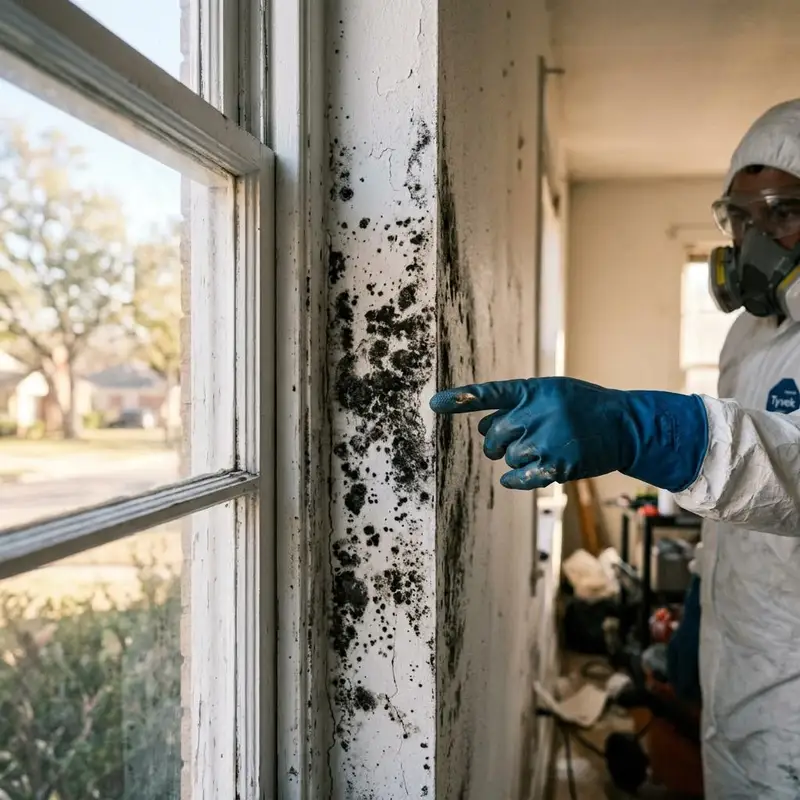
Cleaning the Attic Step by Step
Once you have your safety gear, containment, and moisture source addressed, you can start the actual attic mold remediation. Here is a practical sequence that works for most residential attics:
- Remove all debris, boxes, and loose insulation that are heavily moldy. Bag them in heavy-duty plastic bags and seal them tight. Dispose of them according to local waste guidelines.
- Vacuum the entire attic using a HEPA vacuum. A regular shop vac will blow spores back into the air. A HEPA vacuum captures 99.97% of particles down to 0.3 microns, which includes mold spores. Vacuum all surfaces, rafters, decking, and any remaining insulation.
- Apply your chosen mold cleaner according to the manufacturer's instructions. For wood surfaces, use a pump sprayer or a sponge. Let the cleaner sit for the recommended dwell time, then scrub with a stiff brush if needed. Do not rinse with water unless the product says to. Many cleaners are meant to stay on the surface.
- If the attic insulation is soaked or heavily contaminated, remove it and replace it. Attic insulation that is wet for more than 48 hours will almost certainly harbor mold deep in the fibers. You cannot effectively clean fiberglass or cellulose insulation once mold has taken hold.
- After cleaning, run a dehumidifier in the attic for several days to dry out the space. You can also use an air scrubber to continue filtering spores. Check the humidity level with a hygrometer. You want it below 50% to discourage mold from returning.
A mold testing kit can give you peace of mind after the cleanup. These kits are available at hardware stores and online. They let you take a surface sample or an air sample and send it to a lab for analysis. If you want to be thorough, you can hire a certified inspector who follows IICRC standards. IICRC certification means the inspector has been trained in proper sampling and remediation protocols.
Preventing Future Mold Growth
Once you have completed attic mold remediation, the goal is to keep it dry. Address any roof leaks immediately. If you live in an area with high humidity, like Fort Worth, consider adding a ridge vent to improve air circulation. Ridge vents allow hot, moist air to escape at the peak of the roof. Soffit vents at the eaves bring in cooler air from outside. Together, they create a natural airflow that dries the attic space.
Another preventive measure is to insulate the attic floor properly, not the roof deck. This keeps the attic space close to outdoor temperatures, which reduces condensation. If you do have air conditioning ducts in the attic, wrap them with adequate insulation and seal all joints. A dehumidifier placed in the attic can help during humid months, but it is not a long-term solution. Fixing the air flow and moisture entry points is the real answer.
Some homeowners try to use bleach as a preventive spray. That is not effective. Bleach evaporates quickly and does not leave a protective layer. Products like Concrobium or Mold Armor can be sprayed periodically as a precaution, but the best prevention is a dry attic.
When to Call a Professional
Not every attic mold problem is a DIY job. If the affected area is larger than about 10 square feet, the EPA recommends hiring a professional. If you have health concerns, or if the mold is behind walls or in HVAC systems, leave it to someone with the right equipment. Professional attic mold remediation may involve negative air pressure units, commercial HEPA vacuums, and full containment setups that are expensive to rent and tricky to manage.
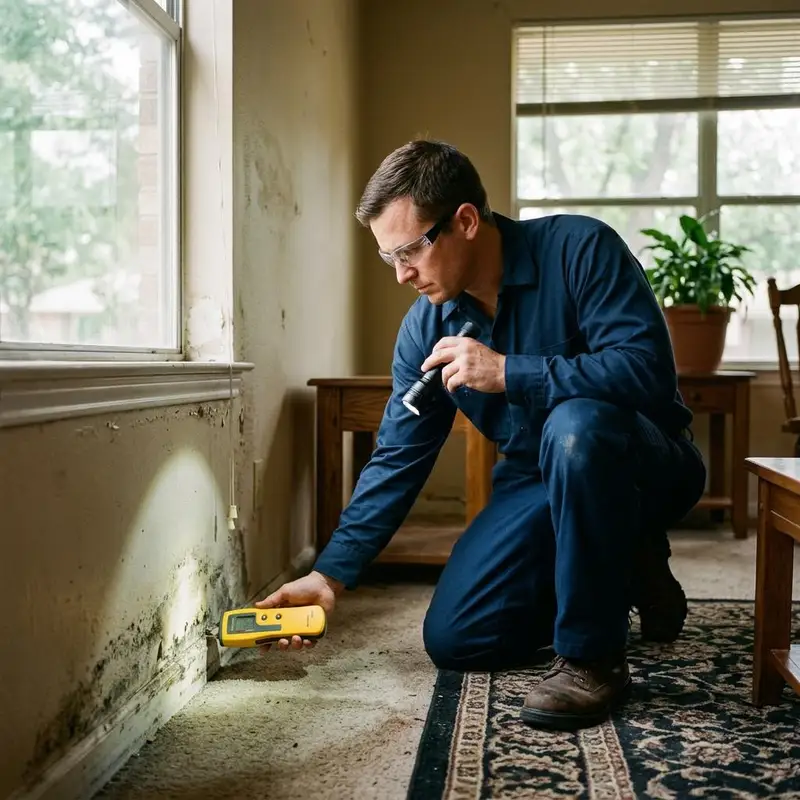
Also, if you suspect the mold is toxic black mold (Stachybotrys chartarum), do not disturb it. Disturbing it releases high concentrations of spores. A professional can seal the area and remove it safely. The Texas Department of State Health Services offers guidelines on when to call a professional, and many local companies in Fort Worth follow IICRC standards to ensure the job is done right.
Remember, mold remediation is not a one-time fix. It is about changing the conditions that allowed mold to grow. If you address the moisture, improve ventilation, and clean thoroughly, you can keep your attic dry and healthy for years to come.